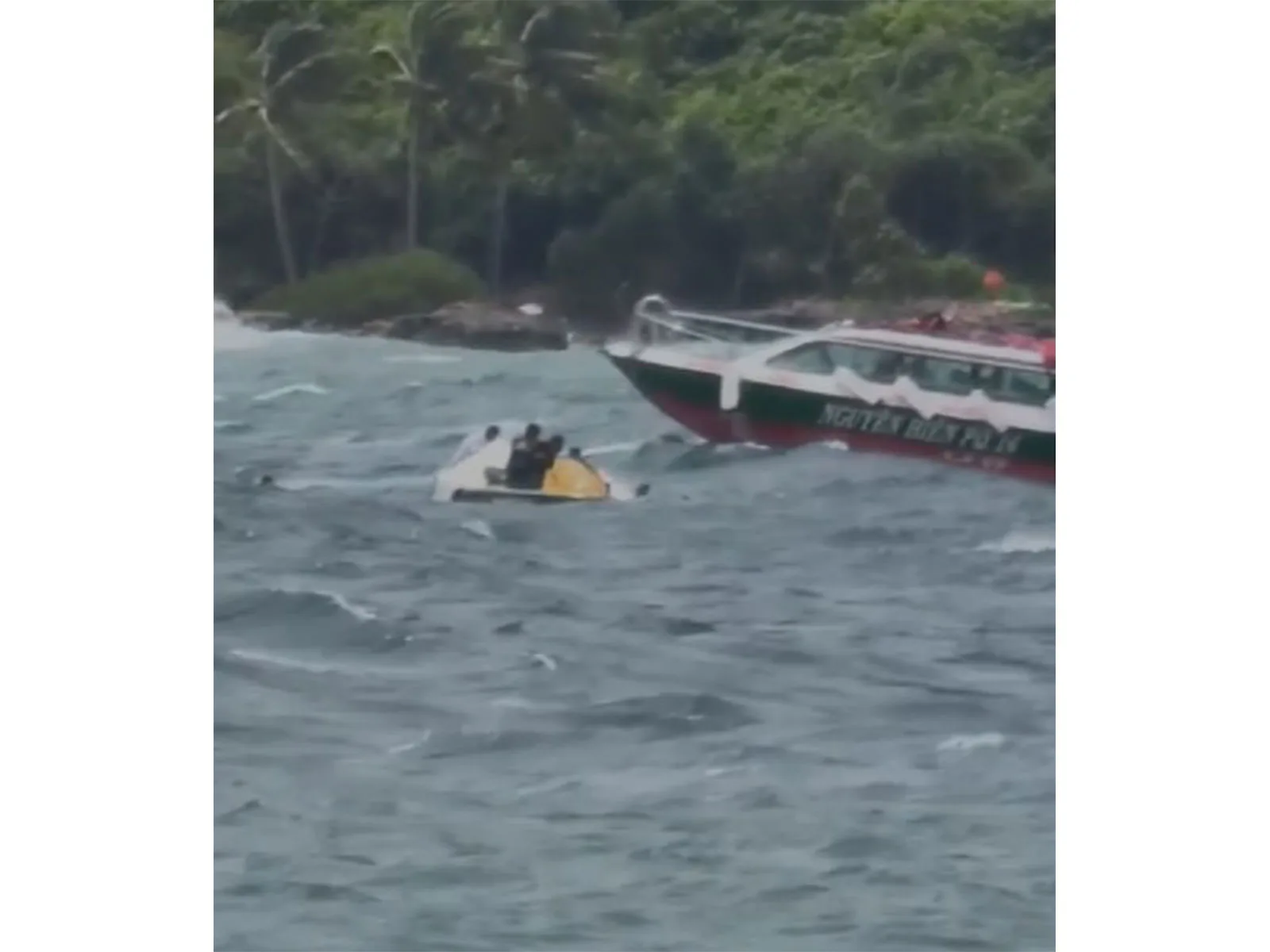
The deaths of Indian tourists in a speedboat accident off Vietnam’s coast are, first and foremost, a human tragedy. Yet such incidents should also compel governments, tourism operators and travellers to confront an uncomfortable reality. As international tourism expands rapidly across Asia, safety standards have not always kept pace with rising demand. Vietnam has emerged as one of the most popular overseas destinations for Indian travellers.
Improved air connectivity, easier visa policies and competitive travel packages have made its islands and coastal attractions especially appealing. Similar trends are visible across Southeast Asia, where marine excursions have become an integral part of the tourism economy. But the commercial success of these destinations also creates pressure to maximise operations, sometimes in weather conditions that demand greater caution. The preliminary indication that rough seas and strong winds may have contributed to the accident highlights the importance of treating weather warnings as operational red lines rather than commercial inconveniences. Modern forecasting technologies leave little excuse for allowing recreational vessels to venture into hazardous conditions.
Advertisement
Authorities and private operators alike must establish clear protocols that prioritise safety over schedules, revenues or customer expectations. Marine tourism also depends on rigorous enforcement of vessel maintenance standards, passenger capacity limits, crew training and emergency preparedness. Life jackets, safety demonstrations, communication systems and evacuation procedures are often viewed as routine formalities until disaster strikes. In reality, they are the thin line between survival and catastrophe. The fact that nearby boats joined rescue efforts underscores the value of rapid emergency response, but rescue can never substitute for prevention. For India, the tragedy carries another message. As millions of Indians travel abroad every year, outbound tourism has become a significant public policy concern rather than merely a private leisure activity.
Consular services must be equipped to respond swiftly during overseas emergencies, while travel advisories should extend beyond geopolitical risks to include seasonal weather conditions and safety considerations at popular destinations. Travel companies, too, have a responsibility to provide realistic assessments of local conditions instead of marketing idyllic experiences without adequate context. Climate variability further complicates the challenge. Stronger storms, unpredictable weather patterns and rougher seas are becoming more frequent across many parts of Asia.
Tourism policies and maritime regulations must adapt accordingly instead of relying on historical assumptions about seasonal conditions. What was once considered a manageable risk may no longer be so. The immediate priority remains supporting the survivors, assisting grieving families and establishing the precise circumstances of the accident. But meaningful tribute to those who lost their lives will come only if the lessons are translated into stronger safety practices. Tourism flourishes on trust. Every preventable accident erodes that trust, reminding governments and operators alike that protecting lives is the first obligation of every journey, regardless of how routine the voyage may appear.